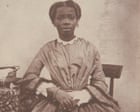
Bayo Randle is welcoming a new biography of his great-great-grandmother Sarah Forbes Bonetta, a woman who was captured by an African king as a child and later presented to Queen Victoria as a "diplomatic gift" at Windsor Castle.
Bonetta was seven years old when she arrived in England. Queen Victoria took an active role in her life, funding her education, endorsing her marriage to a wealthy West African man, and serving as godmother to Bonetta's eldest daughter.
The biography documents an extraordinary historical trajectory. Bonetta was originally named Àìná before her capture and subsequent journey to England, where she took the name Sarah Forbes Bonetta. Her life bridged African and British imperial worlds during the nineteenth century, a position that shaped both her opportunities and constraints.
Randle's decision to support the biography reflects growing interest in recovering the stories of people whose lives intersected with empire in complex ways. Bonetta's relationship with Victoria, while affectionate, also embedded her in structures of imperial power and racial hierarchy that defined the period.
The timing of the biography's release highlights a broader historical reckoning with the legacies of imperialism and the lives of individuals within those systems. Bonetta's documented prominence in Victoria's household makes her unusual among her contemporaries, yet her story also illuminates the circumstances that enabled some enslaved or captured Africans to gain education and social standing in Britain while countless others faced brutal exploitation.