Chancellor John Healey prepares to deliver his first Budget on Wednesday against a backdrop of historic government borrowing costs and widespread financial strain reported by British households across multiple income levels.
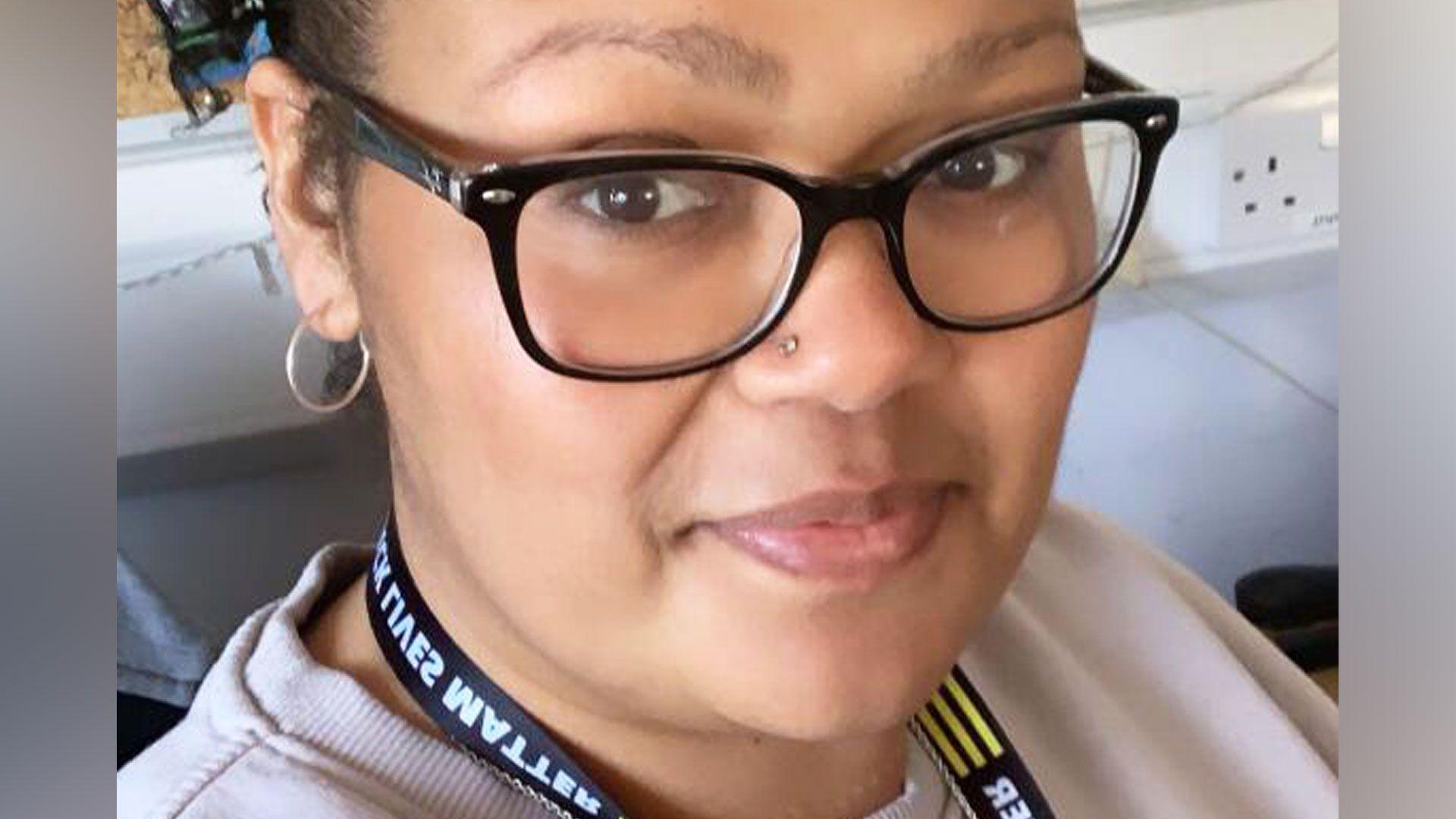
The BBC interviewed five people ahead of the announcement to capture the breadth of financial pressure facing the country. Chloe Chin-Saad, a 40-year-old single mother earning £41,000 annually in south London, limits her weekly food shop to £40 and worries most about rising energy costs now at approximately £200 monthly. She pays £200 in council tax and £250 monthly for car finance, plus medicines for rheumatoid arthritis and other expenses. Some months she has as little as £50 remaining. She called for more help targeted at single-parent families, specifically suggesting government action on tax bills.
Robert Portlock, 29, lives with his parents in Gateshead because renting a small flat would consume two-thirds of his monthly wage once council tax, energy, food, and other essentials were added. He spends £750 monthly on car finance, insurance, fuel and tax for his 32-mile commute to Newcastle Airport. He requested cuts to fuel duty and income tax or an increase to the personal allowance from £12,570 to £16,000.
Emily Nelson, 19, completed her A-levels last year and struggles to find employment in Swindon despite applying for retail, sales and apprenticeship roles. She seeks increased government funding for businesses to hire young workers and an extension to the Jobs Guarantee scheme, which she believes should be available after one year of universal credit receipt rather than 18 months.
Professional driver Dave Herbert spends around £350 monthly on fuel for his 62-mile commute to Cardiff, describing fuel prices as "crazy" and spending 40 to 50 percent more than earlier in the year. He urged the government to cut or suspend fuel duty.
Jonathan Whitwam, who works in finance, expressed concern that his daughters will graduate with £45,000 to £60,000 in student debt each, compounding at £5,000 to £8,000 annually. He called for interest rates to be waived or capped below 1 percent.
Unlike previous years, few details about the Budget have leaked publicly. Healey's tax and spending plans face close scrutiny amid elevated government borrowing costs.