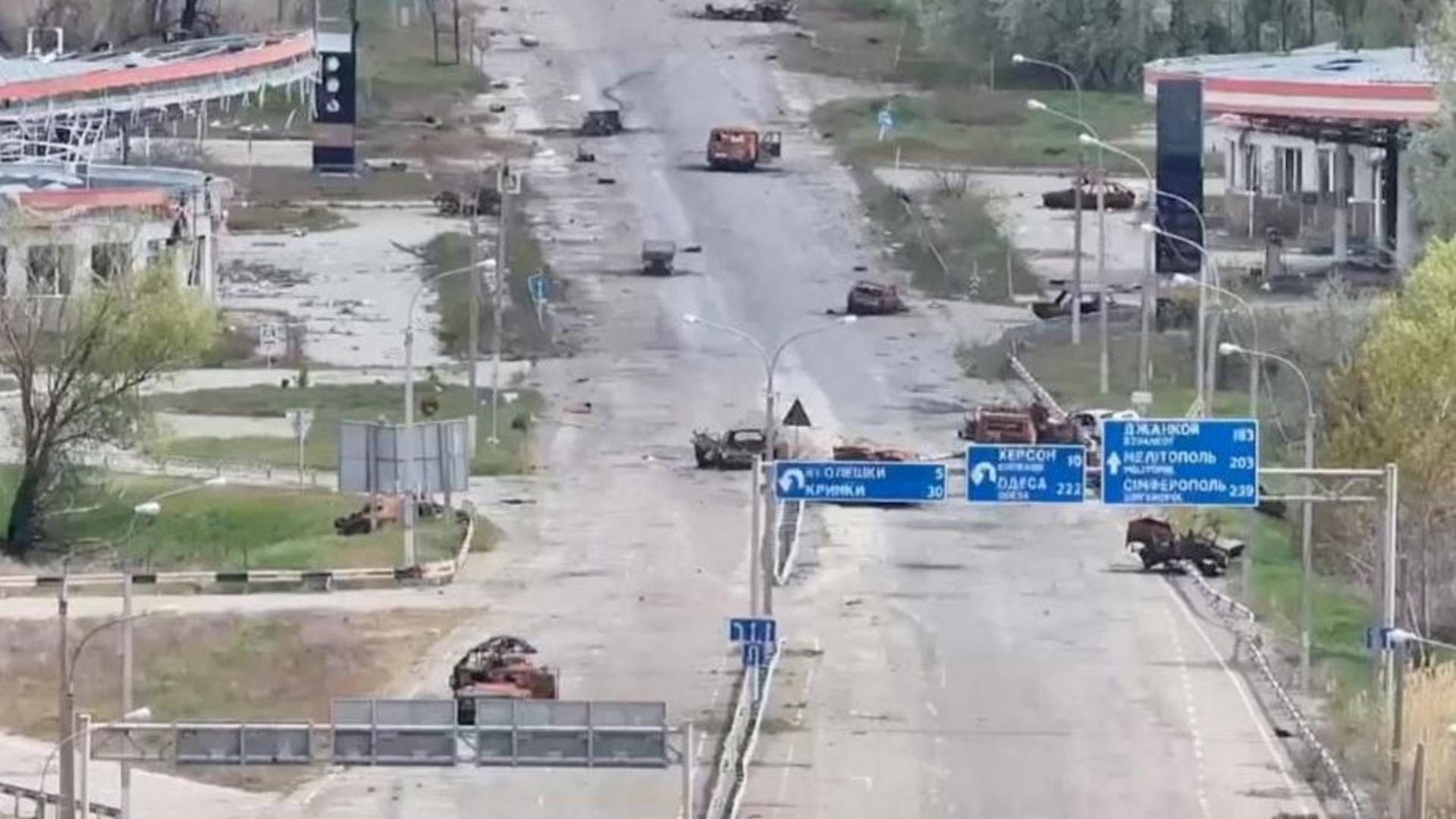
The extended ceasefire across Ukraine's Kherson region, brokered by US First Lady Melania Trump and Pope Leo XIV, represents a diplomatic achievement worth noting—but it should not obscure a harsh reality. An estimated 1,700 to 2,000 people remain trapped in Oleshky itself, with several thousand more in surrounding areas, having endured years without electricity, food, or water. They have been reduced to cooking garden weeds to survive. A temporary pause in fighting, however welcome, cannot restore what this city has lost since Russia seized it in February 2022, nor can it undo the catastrophe that followed the destruction of the Kakhovka Dam in 2023.
The terms of this ceasefire—humanitarian aid deliveries possibly on Thursday and evacuations planned for Friday—sound reasonable on paper. Yet the conditions reveal how dire the situation truly is. Residents are so fearful of Russian reprisals and suspicious of official intentions that only about 500 people had expressed evacuation interest by Tuesday afternoon. Those who have managed to escape, like the woman hospitalized after stepping on a landmine, understand viscerally what residents face: mined roads, drone attacks, and the constant threat that choosing to leave might mean never returning to Ukrainian territory.
The geopolitical trap is as dangerous as the physical minefield. Vladimir Saldo, the Russian-installed head of occupied Kherson areas, claims temporary accommodation has been prepared in Russian-annexed Crimea and across the Russian border in Rostov, Krasnodar, and Stavropol regions. President Zelensky has explicitly warned that routes demined by Russia will funnel civilians toward Russian territory, not Ukrainian safety. Resident Serhii's account—that he had to flee through minefields and route through Russia and Belarus to reach Ukraine—illustrates how this ceasefire, while extending safe passage, may actually facilitate displacement rather than genuine humanitarian relief.
The fundamental flaw in celebrating this extended ceasefire is that it treats a symptom while ignoring the disease. David Arakhamia called it the largest de-escalation since 2022, and Ukrainian Foreign Minister Andrii Sybiha suggested it could pave the way for broader peace efforts. Yet rescuing people from a city that has had no electricity, gas, or water since 2023—where they are eating weeds and stepping on landmines—is not de-escalation. It is managing the consequences of a humanitarian catastrophe.
For this ceasefire to represent genuine progress, it must achieve what Zelensky has demanded: safe passage not toward Russian territory, but toward Ukrainian-controlled areas. The destroyed bridges across the Dnipro and mined riverbanks currently make this impossible. Until the international community addresses not just the immediate logistics of evacuation but the underlying question of where evacuees can safely go, this ceasefire remains merely a temporary reprieve from suffering—not a solution.