Michigan voters chose between Democrat Abdul El-Sayed and Republican Mike Rogers on Tuesday in a race to fill retiring Senator Gary Peters' seat. El-Sayed, a Muslim born to Egyptian parents and former head of Detroit's health department, faced last-minute Islamophobic attacks from Republicans and President Trump, who called him a "jihadist" and made unfounded claims about ties to the Muslim Brotherhood. Rogers, a former congressman and Trump ally, campaigned on fiscal issues and attracted support from pro-Israel donors after a rift among Democrats.
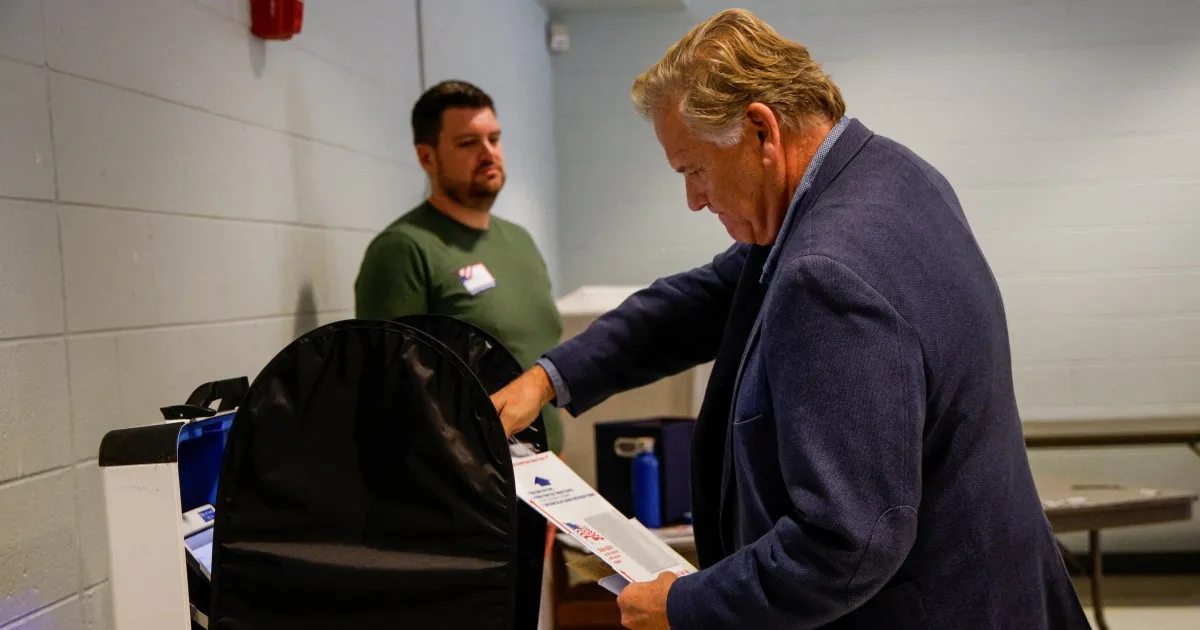
A final New York Times/Siena poll showed El-Sayed leading by 11 points heading into Election Day. El-Sayed voted absentee before Tuesday, while Rogers cast his ballot at a polling station in White Lake on Tuesday morning.
The race took a sharp turn when Congresswoman Haley Stevens, a fellow Democrat whom El-Sayed defeated narrowly in the August primary, endorsed Rogers on Sunday. Stevens said she was "choosing country over hate," citing disagreements over El-Sayed's opposition to US support for Israel. Pro-Israel donors who had backed Stevens channeled $9 million into a Republican group supporting Rogers after her loss, according to the New York Times. American Israel Public Affairs Committee had spent more than $30 million backing Stevens against El-Sayed.
El-Sayed has accused Israel of genocide in Gaza and argued that US aid to Israel should be spent at home instead. Senate Democratic leader Chuck Schumer, who initially backed Stevens, endorsed El-Sayed and said the race would turn on economic issues. "There are millions of Michiganders whose number one issue is getting their costs down," Schumer said after voting in New York.
If victorious, El-Sayed would become the first Muslim in the United States Senate. Control of the chamber hinges partly on this race, with Democrats needing to gain four seats overall in Tuesday's midterm elections to wrest back the Senate from Republicans. The US Department of Justice deployed election monitors in Michigan and all 50 other states, described as a first in US history.