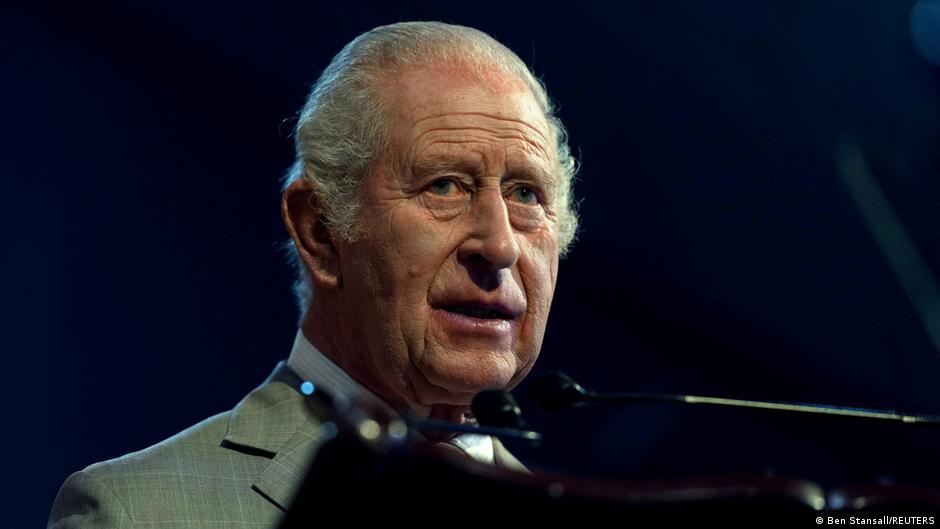
King Charles III told Commonwealth leaders gathered in Antigua and Barbuda on Tuesday that the legacy of the transatlantic slave trade "fills my heart with horror" and represents a "monstrous injustice." The monarch did not apologize for Britain's role in the trade or address calls for reparations.
Charles spoke at the opening of the Commonwealth Heads of Government Meeting, a summit of 56 member-state leaders. He said he had deepened his understanding of slavery's legacy "through listening, learning and looking," and that the trade "still casts a shadow over these islands and other members of our Commonwealth."
The king emphasized moving forward rather than dwelling on the past. "We cannot change the actions of those who came before us," he said. "We can, however, learn from the past."
UK Prime Minister Andy Burnham, also attending the summit, has previously said he could be open to an apology. Burnham announced plans to discuss debt resets for smaller Commonwealth nations and a 48.2 million euro investment in Caribbean infrastructure over three years.
Britain entered the slave trade in the seventeenth century and came to outfit almost one-third of all transatlantic slave voyages, facilitating the forced transport of over 3.2 million Africans, according to the source. The Slave Trade Act of 1807 outlawed the trade for British subjects, and the Slavery Abolition Act of 1833 ended it across the British Empire.