Iran's Foreign Ministry reaffirmed Monday that the country remains committed to the Treaty on the Non-Proliferation of Nuclear Weapons, even as hardliners publicly discuss abandoning the accord and developing nuclear weapons.
Foreign Ministry spokesman Esmaeil Baghaei said Tehran cannot cooperate normally with the International Atomic Energy Agency because of US and Israeli attacks on Iranian nuclear facilities and assassinations of senior leaders. He cited attacks on sites including the Pickaxe Mountain complex near Natanz as justification for restricting IAEA access.
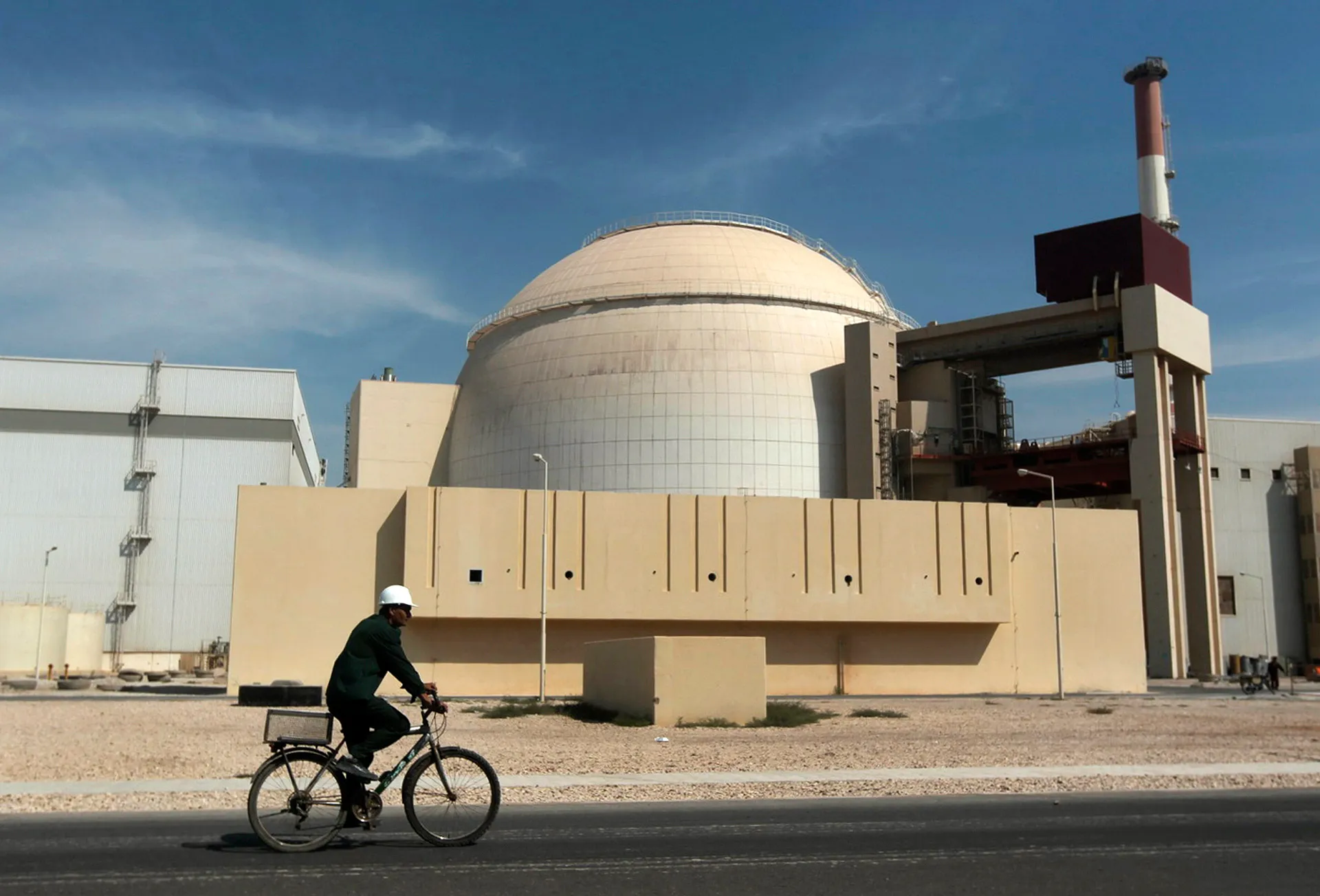
The spokesman confirmed that new IAEA inspections took place days earlier at the Bushehr nuclear power plant, the only facility still accessible to inspectors after not being directly bombed. Bushehr was built with Russian cooperation, though US warplanes damaged its perimeter and prompted partial evacuation of Russian personnel.
IAEA chief Rafael Grossi told the UN Security Council in late October that the agency cannot verify Iran's nuclear material because Tehran has not provided requested information and access.
Ali Vaez, deputy director of the Middle East and North Africa programme at the International Crisis Group, told Al Jazeera that Tehran is "keeping one foot inside the NPT and the other near the exit." He described Bushehr inspections as "a low-cost gesture designed to keep diplomacy alive and hardliners at bay, while preserving leverage over the underground nuclear sites that matter most" including Natanz, Fordow and Isfahan.
Seyed Hossein Mousavian, a former Iranian nuclear negotiator now at Princeton University, said Iran distinguishes between honouring NPT commitments and permitting inspections of bombed facilities. He noted that Iranians fear IAEA access to sensitive sites could lead to information being shared with the US and Israel for use in future attacks.
Iran's security chief Mohsen Rezaei and Islamic Revolutionary Guard Corps spokesman Hossein Mohebbi have publicly discussed abandoning the treaty. Mohebbi said this week the IRGC "will create the necessary preparations" if Iran changes its nuclear doctrine.
The NPT withdrawal process requires notice after determining that "extraordinary events" have "jeopardised the supreme interests" of the country.