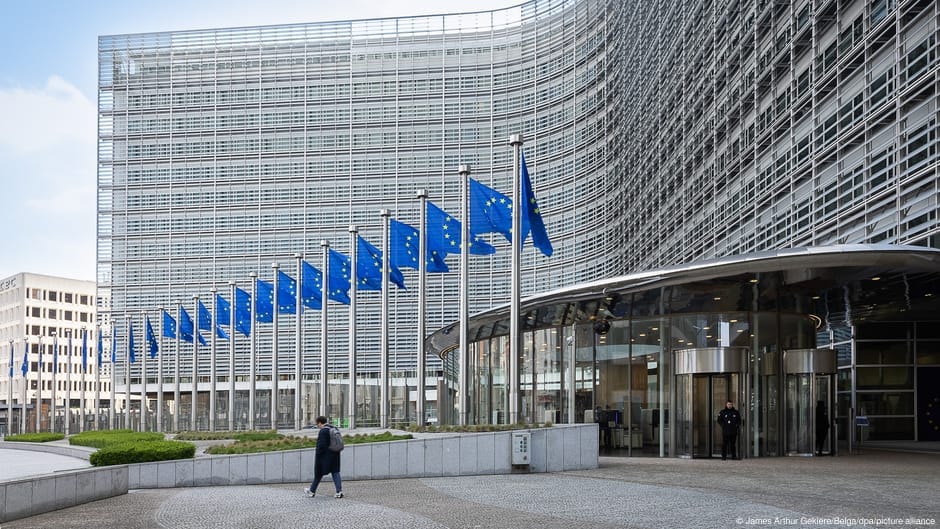
The European Commission proposed a Digital Fairness Act on Wednesday to restrict manipulative online practices that trap consumers into unwanted charges and spending.
Under the proposal, companies must remind consumers before free trials end and obtain explicit consent before charging them. Subscriptions would be easier to cancel online, and automatic renewals would require advance notice. The law would ban "dark patterns," misleading sales tactics such as false scarcity claims on hotel booking sites or inflated ticket prices shown during online queues.
The proposal targets features designed to maximize user engagement. Video autoplay and similar "doomscrolling" functions would require consumers to opt out. Online games could no longer sell features that let children pay to win or advance levels. Personalized ads and marketing would need clear labeling and face restrictions targeting children.
The Commission can impose fines of up to six percent of a company's global annual revenue for violations.
Agustin Reyna, director general of the European Consumer Organisation, called the proposal a good starting point. "We haven't seen that kind of reform in consumer protection in the last 20 years," he told DW. He noted that the single EU ruleset replaces fragmented national requirements.
Some experts argue the proposal does not go far enough. Christoph Busch of Osnabrück University said requiring consumers to opt out of addictive features is less effective than requiring them to opt in. Catalina Goanta of Utrecht University cautioned that the law risks overregulation and that enforcing existing rules more rigorously might resolve many current problems.
The gaming industry opposes the restrictions. Video Games Europe and the European Games Developer Federation called the proposal "unworkable, unjustified and disproportionate," arguing the ban on pay-to-win mechanics is too broadly worded. Busch countered that business models relying on addictive design may need to change.
The European Parliament and the Council representing member state governments must still agree on the text and formally adopt it. Busch predicted a difficult negotiation, particularly given a current policy climate focused on deregulation and European competitiveness. Reyna expressed more optimism, saying consumer protection unites lawmakers across party lines.