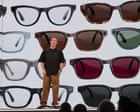
Norway is preparing legislation to temporarily ban camera-equipped smart glasses from a broad range of public spaces, according to The Guardian. The Oslo government plans to restrict the devices in parks, beaches, museums, shopping centres, schools, daycare centres, healthcare facilities, gyms and public events. Private use of the glasses would remain permitted under the proposed rules.
The move reflects growing international anxiety over covert recording capability built into AI-enabled spectacles. Camera-enabled Meta smart glasses face restrictions in the UK and US already because of concerns about unauthorized video capture, The Guardian reports.
Norway's proposal targets devices that combine optical recording with artificial intelligence functionality. The ban applies specifically to public settings where privacy expectations run higher and where individuals cannot easily consent to being filmed. The temporary nature of the restrictions suggests the Oslo government may review the rules as technology and public attitudes evolve.
The scale of locations covered in the Norwegian proposal is extensive. Schools and daycare centres reflect concern about recording of children. Healthcare facilities raise medical privacy issues. Shopping centres and public events present scenarios where crowds gather without unified awareness that they may be recorded. Gyms involve changing facilities and other intimate spaces. Parks and beaches capture outdoor recreation areas where people may assume greater anonymity than they would indoors.
The Guardian's framing of this as part of "rising global concern" indicates the issue extends beyond Norway. Restrictions in multiple countries suggest convergence around the privacy risks posed by wearable cameras that record without obvious visual signals to those being filmed, unlike traditional smartphones or visible recording equipment that alert bystanders to their presence.
The proposal does not extend to private spaces or one-on-one use, suggesting lawmakers aim to balance privacy protection with individual freedom. The temporary framing leaves open whether the rules might become permanent, be relaxed, or be modified as technology developers implement privacy safeguards.