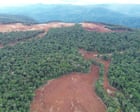
Volkswagen, Ford and Tesla source nickel for vehicle batteries from mines linked to deforestation of primary rainforest on indigenous lands in Indonesia, according to an analysis by The Guardian.
The mines operate in Sulawesi, which holds the world's largest nickel deposits and is home to the Tolaki people. Corporate disclosures and trade flow data from the past two years connect battery supply chains for these three carmakers to tree loss in the region, a wildlife hotspot.
Nickel appears widely in car battery cathodes because it increases energy density and driving range. The Guardian's findings point to a tension facing the automotive industry. Electric vehicles promise lower emissions than combustion engines, yet their production depends on mining that carries significant environmental costs, particularly in biodiverse areas and on land inhabited by indigenous communities.
The article does not specify which individual mines are involved, the total volume of nickel traced to each carmaker, or the extent of deforestation linked to each company's supply chain. It does not include responses from Volkswagen, Ford or Tesla to these allegations. The three companies have not been accused of knowingly purchasing conflict minerals or deliberately concealing their sourcing practices. The findings rest on matching corporate supply disclosures to trade data, a method that establishes connection but does not necessarily prove direct knowledge or control by the carmakers over mining practices.
Sulawesi's nickel mining has drawn environmental concern for years, but this analysis appears to be the first to directly link major Western EV producers to documented forest loss in the region. The Guardian frames the discovery as evidence that carmakers face a structural challenge in decoupling battery production from environmental harm.