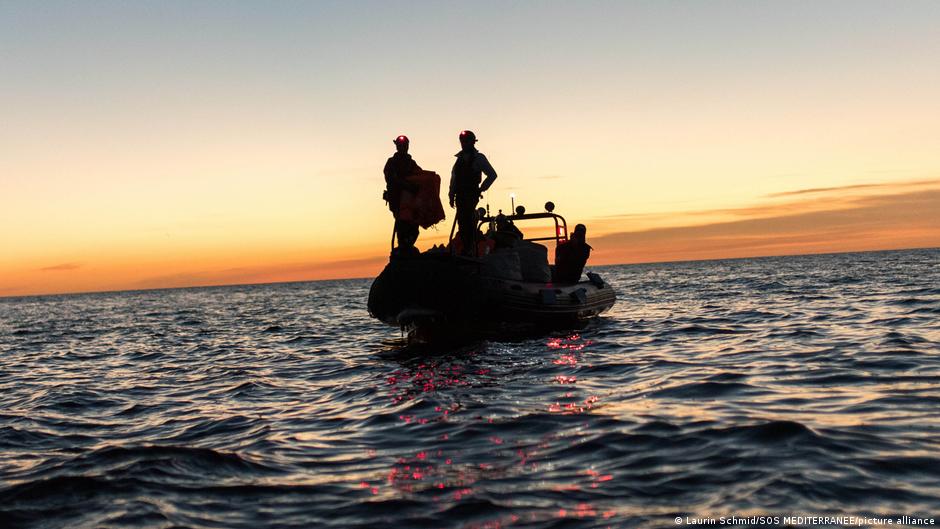
Almost 20,000 people have attempted an irregular crossing from eastern Libya to Crete this year, according to DW News. The route from Libya's east coast, particularly around the port city of Tobruk, has become a significant corridor for migration into Europe. Migrants pay as much as $4,000 for the crossing, which takes around a day and a half.
The route gained prominence after eastern Libyan armed forces cracked down on smugglers heading to Italy in 2023, prompting networks to shift toward smaller boats and Crete instead. Groups previously involved in moving goods, vehicles or drugs have entered the people smuggling business, according to the Global Initiative Against Transnational Organized Crime.
Human trafficking in Libya connects to what researchers call the "conflict economy," in which armed actors gain economic resources and political influence by controlling informal markets and transport routes. Hager Ali, a researcher at the German Institute for Global and Area Studies, told DW that existing contacts, transportation and security arrangements for weapons or goods smuggling can be repurposed for people trafficking.
Eastern Libya has been governed since 2014 by a leadership backed by Khalifa Haftar, a former warlord who has consolidated control over various militias. However, researchers found no proven links between Haftar's networks and people smugglers on that coast. Ali noted that the appearance of influence over smuggling can confer political power, with high-profile operations against networks serving as signs of legitimacy.
In late October, Tobruk's government signed a maritime agreement with Turkey, a deal Turkey had originally made with Libya's western government in Tripoli. Greece rejected the agreement as infringing on its economic rights around islands including Crete. Ali suggested that irregular migrants could conceivably be used as leverage in geopolitical conflicts, though no direct link between the agreement and rising migrant arrivals is clear.
The European Union cooperates with Libyan actors to prevent irregular migration despite their links to armed groups and disputed political legitimacy. Andreas Dittmann, a retired professor of human geography, argued this creates a contradiction: cooperation controls migration but increases the local power of eastern Libyan leaders by demonstrating their ability to influence migrant movements.
The UN International Organization for Migration reported that around 950,000 migrants and refugees lived in Libya as of May and June this year, many with limited healthcare access and no residence or work permits, increasing their dependence on informal markets and exploitation risk.