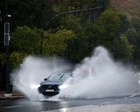
Storm Charles has delivered a stark reminder that extreme weather is no longer an occasional crisis—it is becoming our new normal. The devastation across southern Europe this week, combined with successive storms battering British Columbia, demonstrates that governments on both sides of the Atlantic must move beyond reactive disaster response and implement comprehensive climate adaptation strategies immediately.
The numbers tell a sobering story. On the Portuguese island of Madeira, wind gusts reached 84.5mph with 355mm of rainfall in just 12 hours. In Lisbon, 183 flights were cancelled on Wednesday—about a third of daily traffic—while Madrid Barajas airport saw 155 cancellations. The system then ravaged Spain and France before triggering red rainfall warnings, the Italian weather service's highest level, for areas from Tuscany to Venezia. Meanwhile, in British Columbia, more than 400,000 customers lost power between Monday and Friday last week, with a further 135,000 experiencing outages over the weekend. These are not anomalies; they are consequences of atmospheric patterns we can expect to intensify.
What makes this moment particularly urgent is the cascading nature of these events. Storm Charles has barely passed through Europe when forecasters warn of additional 100mm rainfall accumulating widely across Italy and the Balkans, with mountainous areas potentially receiving close to 200mm. Simultaneously, British Columbia faces another low-pressure system expected to bring torrential rain and strong winds this coming weekend, with more than 100mm likely across central and southern Vancouver Island and gusts exceeding 60mph. Communities are being hammered before they can recover from previous impacts.
The infrastructure failures are predictable and preventable. Power grids failed under stress that climate science has long predicted. Roads closed due to flooding that updated building codes could mitigate. Airports faced unprecedented cancellations despite advances in weather forecasting. Yet governments continue treating these events as surprises rather than planning for their inevitability. The Italian weather service did issue that red warning, but warnings alone do not prevent displacement, economic loss, or loss of life.
Europe and Canada must now move decisively. This means investing in resilient infrastructure designed for the climate we have, not the one we wish we had. It means establishing early warning systems that translate into actionable public safety measures, not merely announcements. It means ensuring that vulnerable communities in flood-prone areas have adequate evacuation routes and support systems in place before the next storm arrives. Most critically, it requires acknowledging that Storm Charles is not an outlier—it is a preview of what governments have failed to adequately prepare for.
The next low-pressure system is already forming. The question is whether policymakers will finally treat extreme weather with the urgency it demands, or whether they will continue this pattern of surprise and scrambling. Communities deserve better than reactive management of preventable crises.