Iraq's top court ruled Wednesday that the federal government can deploy troops to international borders throughout the country, including in the semi-autonomous Kurdish region, and can oversee border crossings and oil and gas fields there.
The ruling followed Prime Minister Ali al-Zaidi's order a day earlier for federal forces to take control of Kurdish-run border crossings and demand authority over oil fields managed by Kurdish security forces. Al-Zaidi said the move aimed to curb oil smuggling.
The Federal Supreme Court said federal authorities could oversee agencies at all border crossings, though they must coordinate with regional and provincial governments on customs administration. The federal oil ministry can oversee and audit oil and gas fields, while Baghdad shares responsibility for managing production with regional governments and producing provinces.
The Kurdish regional government called the federal order "an assault" on the region's "constitutional rights" and rejected what it termed "military language and threats" in an Iraqi military announcement of the measures. The Kurdistan Regional Government said it was working with federal authorities to combat corruption and end oil smuggling.
A senior Shia politician close to al-Zaidi told Reuters the prime minister was attempting to dismantle the model of a "state within a state" and restrain armed factions operating above state authority, as well as limit the Kurdish region's exercise of authority over strategic economic and security matters. Renad Mansour, deputy director of the Middle East and North Africa programme at Chatham House, said the Iraqi judiciary was "very much supportive" of the government's campaign to establish a centralised political order. "The Iraqi government is trying to reclaim some sovereignty because it's such a fragmented state where there isn't a centre," Mansour said.
Analysts noted the court decision was a victory for al-Zaidi but said implementation against the Kurds and heavily armed Shia militias loyal to Iran would be challenging.
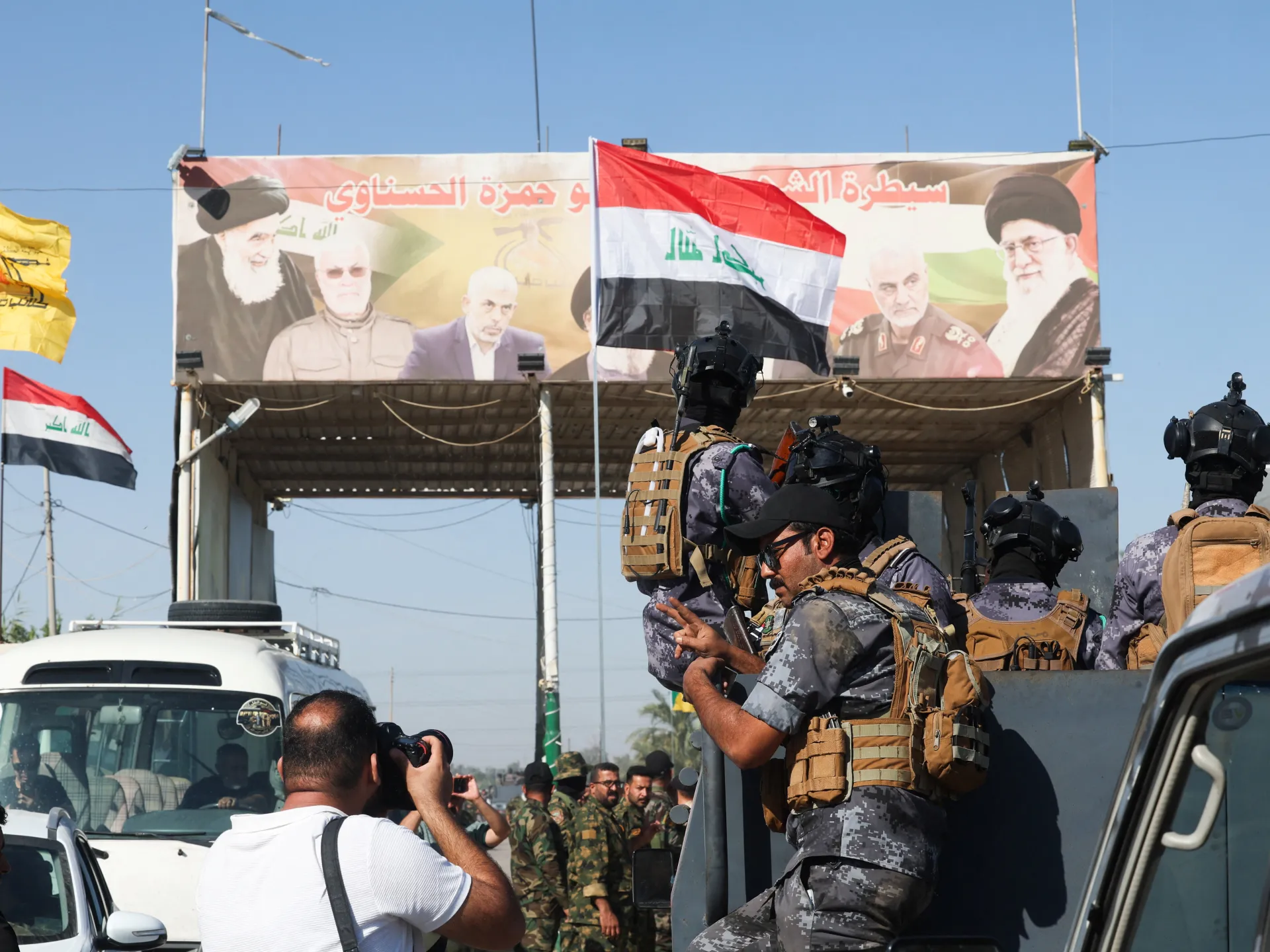
The move comes a week after al-Zaidi ordered troops to prepare to enter Jurf al-Sakhar, a Kataib Hezbollah stronghold south of Baghdad, over oil smuggling allegations. Kataib Hezbollah initially responded with defiance but allowed soldiers into the city following a compromise brokered by Shia politicians.