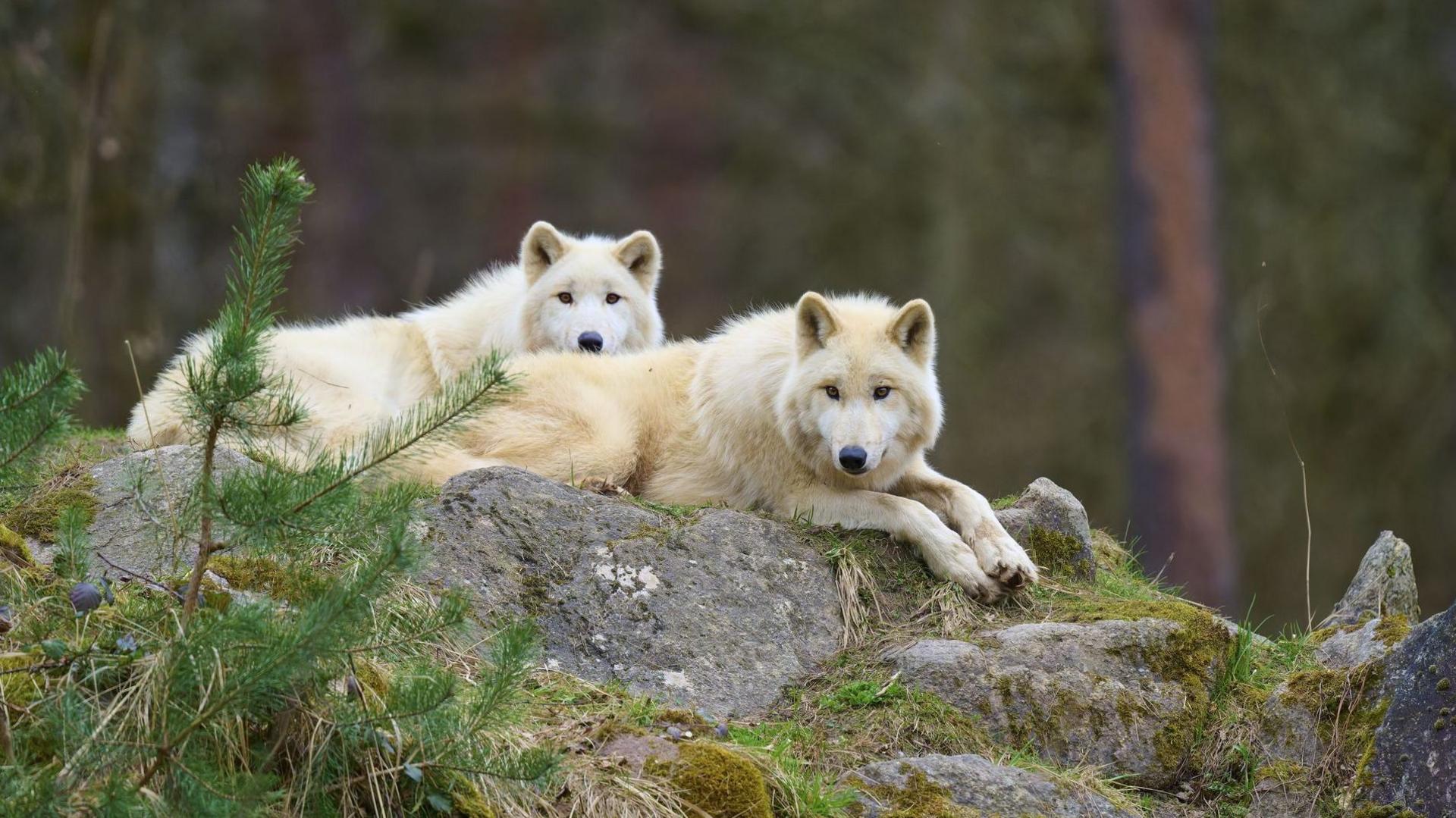
The serious injury of an eight-year-old girl at Johannismühle wildlife park in Baruth/Mark represents a preventable tragedy that demands urgent action. While police investigations into the precise circumstances continue, the fundamental problem is already clear: a German wildlife park has permitted children into direct contact with dangerous predators. The girl suffered head injuries severe enough to require helicopter evacuation to hospital after being attacked by at least one wolf on Wednesday morning, before the park even opened to the public at 10:00 local time. This incident was not an unfortunate anomaly—it reflects a business model built on unnecessary risk.
Johannismühle's attraction lies in intimate animal encounters. Its website advertises small group tours that allow visitors to feed wolves or pet a llama, offerings that transform apex predators into tourist attractions. While the exact nature of the girl's visit remains under investigation, reports suggest she may have been participating in a special group tour when the attack occurred. The park's decision to permit such close human-animal contact inside enclosures with grey wolves and Arctic wolves reveals a troubling prioritization of visitor experience over visitor safety.
This is not an isolated incident. A keeper at a Dutch zoo was mauled to death this week by a leopard, and a man was killed by a tiger at Yorkshire Wildlife Park earlier this month. A pattern of preventable deaths and injuries across European wildlife facilities suggests that current safety protocols are fundamentally inadequate. Wolves are not domesticated animals; they are apex predators whose behavior cannot be reliably controlled in close proximity to humans, particularly children whose size and movements may trigger predatory responses.
The temporary closure of Johannismühle through 2 November provides an opportunity for genuine reform, not merely a pause before resuming dangerous practices. German authorities must use this window to impose strict new regulations. Close-contact visitor programs with wolves should be prohibited entirely. If the park wishes to reopen, it must transition toward educational models that maintain safe distances between humans and large carnivores—observation-based experiences rather than encounter-based ones.
An eight-year-old girl fighting for recovery from head injuries caused by a wolf should serve as a watershed moment for European wildlife parks. Visitor thrills cannot justify child injuries or keeper deaths. Johannismühle must fundamentally redesign its operations, and German regulatory bodies must ensure that no wildlife facility in their jurisdiction repeats this mistake. The lives of children and staff must supersede the commercial appeal of dangerous encounters.