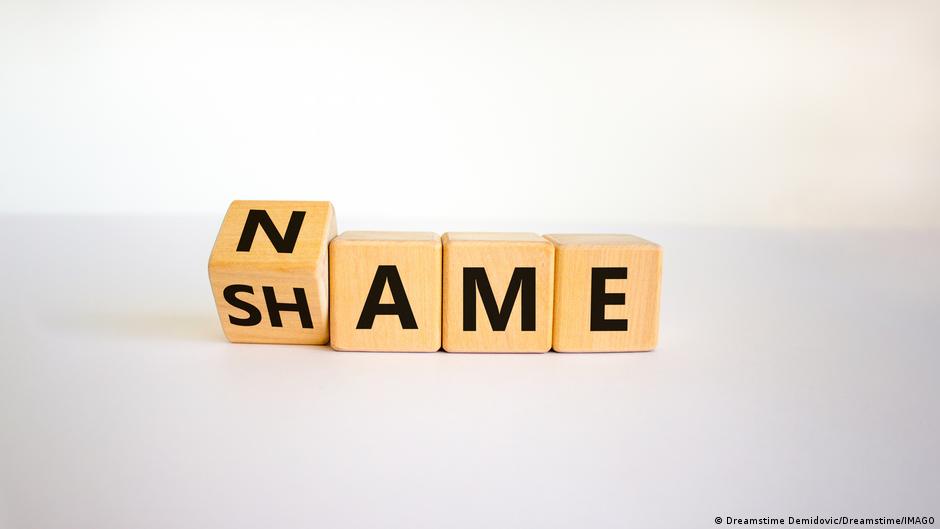
Louise Pain grew up in Australia hating her surname, teased for having a name that invited jokes. Research cited in this report links negatively perceived names to romantic rejection, lower educational outcomes, lower self-esteem and more frequent smoking. A psychoanalyst quoted here says embarrassing names can become incorporated into a person's identity.
Pain's feelings shifted over time, especially after moving to Germany. In French, her surname means "bread," which changed how people reacted to it. Instead of harsh teasing, she encountered bread-related humor she found less painful. She eventually began using humor herself as a coping strategy, joking that she might become "Doctor Pain" or "Mistress Pain."
Tiny, now 54, grew up in Greece with an unfamiliar name that prompted repeated questions about her "real" name, even from relatives. Like Pain, she developed strategies to pre-empt awkward reactions, introducing herself with phrases like "I'm Tiny. It's my name and not a statement."
A personality psychologist quoted here explains that names act as signals when people first meet, and those signals can accumulate over a lifetime. A sociologist's research found that names can trigger inaccurate assumptions about intelligence, competence and trustworthiness. Less familiar names tend to receive more negative evaluations, the report notes.
Both women now view their names differently than they did as children. Pain said her surname has become "funny and endearing" rather than shameful. Tiny described finding "something unique" in having an unfamiliar name once the repetitive jokes stopped mattering to her.
The report includes a psychoanalyst's observation that names can represent "that whole spectrum of shame and pride," and that something once uncomfortable can become "a marker of distinctiveness, history, or belonging." Pain noted complexity remains: she does not want to pass her surname to future children, yet recognizes it connects her to her father and French heritage.