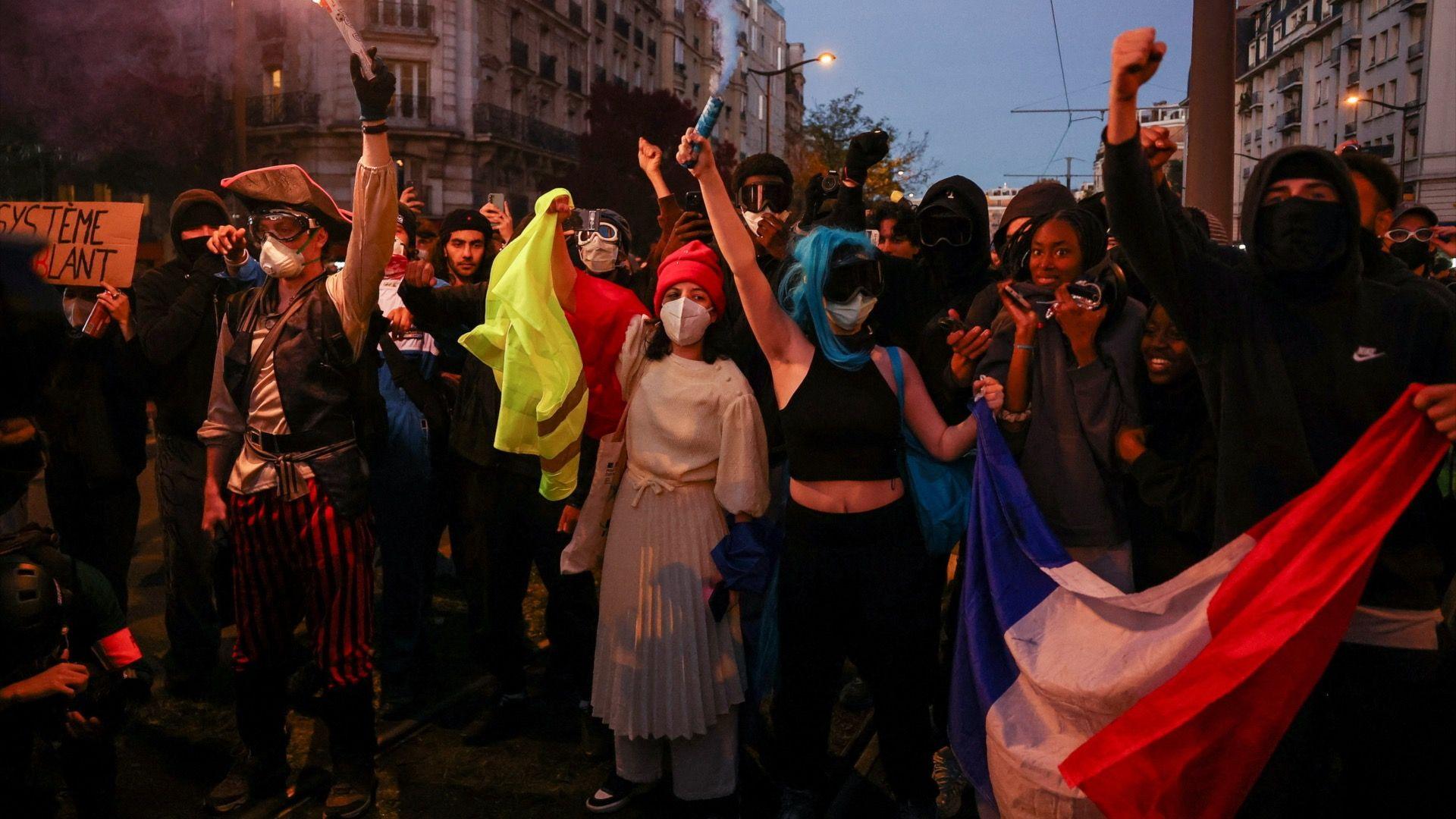
The scenes from Paris this past weekend tell a troubling story about the state of Europe's social contract. More than 320,000 people took to the streets across France, with police firing tear gas and clashing with demonstrators in what marks a third weekend of nationwide demonstrations. This is not random unrest—it is a coordinated cry of frustration over the rising cost of living and poor public services. When that many citizens feel compelled to risk confrontation with authorities, governments should treat it as a wake-up call, not merely a law-and-order problem.
The scale of mobilization is remarkable. Police say about 70,000 demonstrated in Paris alone, enough to warrant extensive preparations by authorities seeking to avoid a repeat of the violence, rioting and looting that occurred two weeks ago. The fact that officials must now brace for a general strike in the coming days suggests this movement has structural staying power. These are not fleeting grievances; they reflect genuine economic hardship affecting ordinary families across the continent.
What deserves particular attention is that this discontent is not confined to France. Protests also took place in Albania, Germany and Italy as youth take to the streets across Europe, according to the BBC's correspondent James Waterhouse. When young people in multiple countries simultaneously mobilize around similar concerns—cost of living and public services—it indicates a systemic problem that transcends national borders. This is Europe-wide distress, not isolated French agitation.
The arrest of at least 290 protesters is notable and concerning. Detention statistics can easily obscure the larger question: were these individuals engaged in genuine political expression, or were some caught in the machinery of maintaining order? Authorities prepared extensively to prevent a repeat of earlier violence, which suggests they were anticipating confrontation. Yet the distinction between suppressing violent criminal behavior and suppressing legitimate protest becomes dangerously blurred when tear gas clouds the streets and masses of demonstrators face arrest.
European governments must recognize a choice before them. They can continue treating these demonstrations as security challenges to be managed through police responses and arrest quotas. Or they can acknowledge that hundreds of thousands of citizens—particularly youth—are expressing real economic distress that demands serious policy solutions. The coming general strike in France will test whether dialogue is possible, or whether escalation is inevitable.
The demonstrators have made their message clear across four nations. Now it falls to elected leaders to respond with substantive action on the rising cost of living and deteriorating public services, rather than simply preparing for the next round of confrontation.