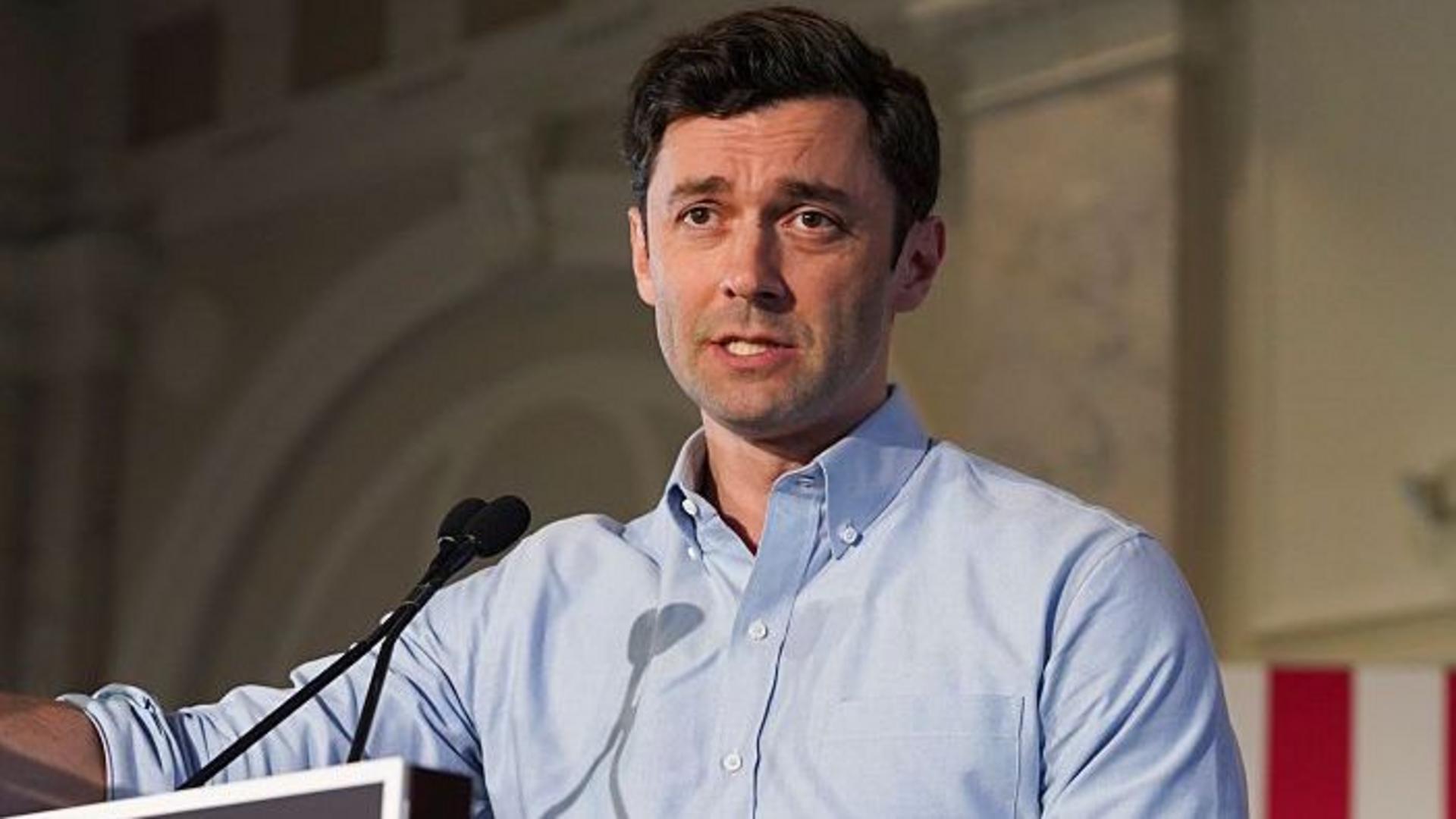
Democrat Jon Ossoff's projected victory over Republican Mike Collins in Georgia's Senate race delivers a crucial message to his party: economic messaging still resonates with voters, even in states that have swung decisively toward Donald Trump. That Georgia voted for Trump in 2024, yet voters chose to keep Ossoff in the Senate, suggests the electorate is capable of nuance—and that Democrats who focus relentlessly on pocketbook issues can compete anywhere. Ossoff made the rising cost of living central to his campaign and hammered Collins, a sitting US House member, for voting to support Trump's tariffs linked to rising inflation. This laser focus on affordability worked.
The irony is sharp: Collins blamed rising costs on former President Joe Biden while defending his support for Trump's policies, yet exit polls show the economy was the top issue for many voters. Ossoff's strategy of connecting Collins directly to inflationary tariffs was more effective than Collins' attempt to shift blame backward. This should concern Republicans heading into future contests. If Democrats can credibly tie Republicans to economic pain—particularly on issues like tariffs that Trump championed—the party has found a winning wedge, even in unfriendly terrain.
That Republicans diverted resources from Georgia, viewing the race as uncompetitive, underscores how thoroughly Ossoff has established himself as a commanding political figure. Brian Kemp, Georgia's term-limited Republican governor, was the favored candidate to challenge Ossoff but declined to run. Political analysts suggested Kemp was wary of Ossoff's rising star power—a telling admission about the Democrat's political strength. Ossoff himself has downplayed persistent rumors about a 2028 presidential run, saying on multiple occasions he has "zero interest" in a presidential bid. Whether that holds remains to be seen, but his stature only grows.
In his victory remarks, Ossoff sounded less like someone savoring a win and more like someone positioning for bigger fights ahead. "This moment is an opening not for restoration, but for reformation," he said, adding that "the underlying crisis gripping our Republic remains, and that therefore, our most vital work lies ahead." He attacked big pharma, corporate America, and alleged White House corruption—messages that appeal to Democrats eager for structural change, not mere competence.
An easy Ossoff victory in Georgia could portend a good night for Democrats in these midterms, though it remains early. More importantly, it provides a blueprint: focus on issues that touch voters' wallets, tie opponents specifically to painful policies, and make the economic case directly. In a fractured political moment, Ossoff proved that message discipline and strategic targeting still matter. Democrats would be wise to study how he did it.