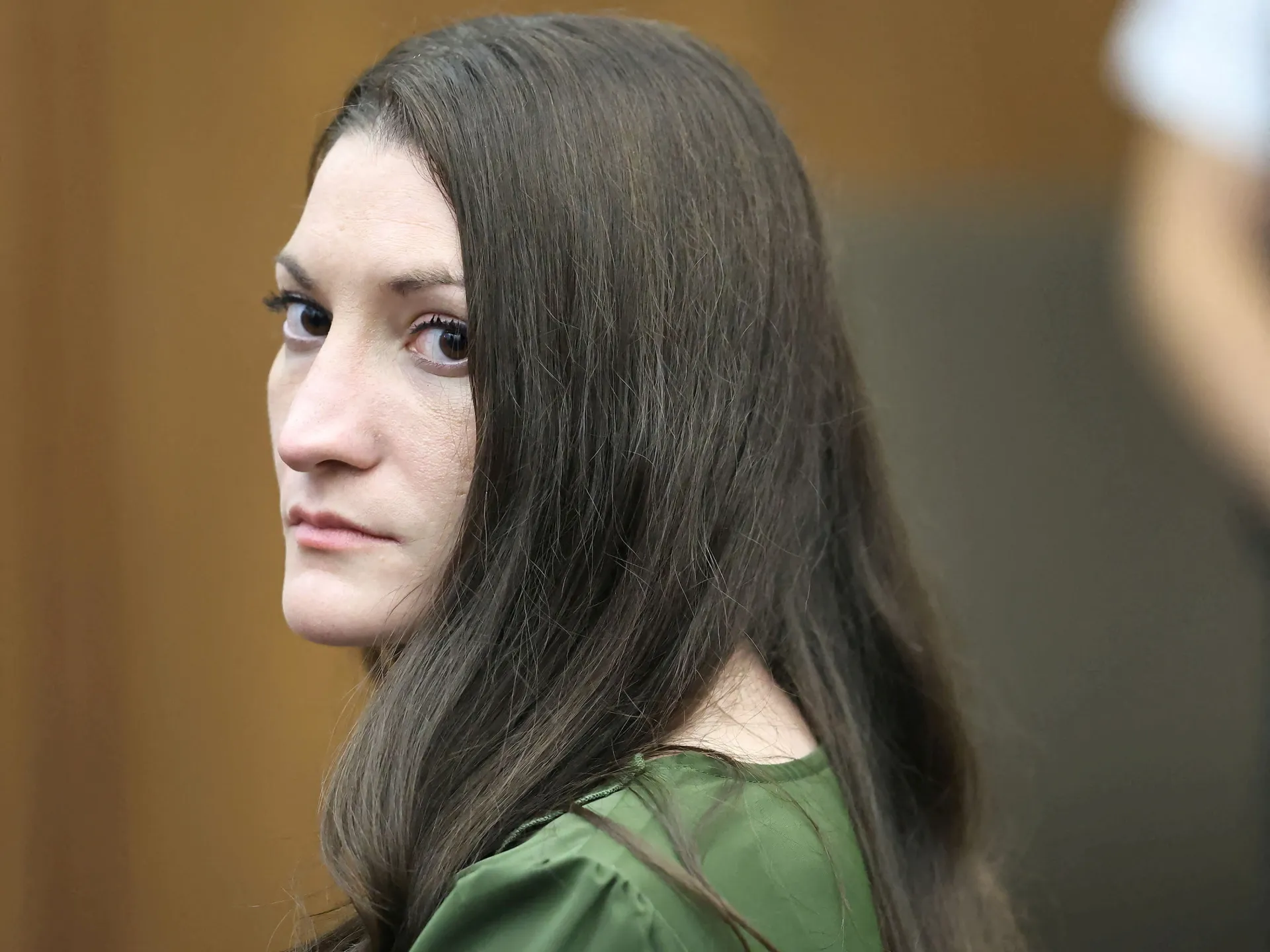
When a juror refuses to deliberate fairly, a judge faces an impossible choice: intervene and risk tainting the process, or hold back and risk letting bias determine the verdict. In the case of Lindsay Clancy, accused of strangling her three young children with exercise bands in 2023 at her Duxbury home, Judge William Sullivan chose restraint—and it may have been the wrong call.
The facts are stark. The jury foreperson sent two notes to Sullivan indicating that juror Michael Desronvil was not following the rules. Rather than investigate this serious allegation, Sullivan simply reminded all jurors of their duties and asked if they could apply the law. All said yes. Defence lawyer Martin G Weinberg rightly argues this was insufficient. A juror determined to obstruct deliberations could easily lie when asked directly. The foreperson's explicit warnings deserved deeper scrutiny, including separate questioning to understand what was actually happening behind closed doors.
Prosecutor Jennifer Sprague countered that there was no evidence of personal bias, only disagreement over evidence—and that pressing further would improperly interfere with deliberations. But this distinction collapses when a juror is accused of not following the rules at all. Defence lawyer Kevin Reddington's additional allegation that Desronvil used a mobile phone to research case-related terms suggests potential misconduct far graver than mere stubborn disagreement. If true, this was not a holdout with different reasoning; this was a juror corrupting the process itself.
The resulting mistrial in September left Clancy in legal limbo. Now, as her lawyers argue that retrying her would violate her constitutional rights, and as Sullivan has scheduled another hearing for November 16 with a potential retrial in March, the central question remains unanswered: was Desronvil's conduct grounds for dismissal? Sullivan had the power to find out. He chose not to use it fully.
This case involves profound complexity—Clancy's acknowledged actions, her claim of postpartum psychosis, and prosecutors' assertion that she understood her conduct was wrong. Whatever the ultimate verdict should be, it must rest on a jury genuinely deliberating, not on one juror's hidden agenda or hidden research. Sullivan's restraint, however well-intentioned, may have sacrificed the integrity of the trial to preserve its appearance. Before proceeding to retrial, that error must be corrected.