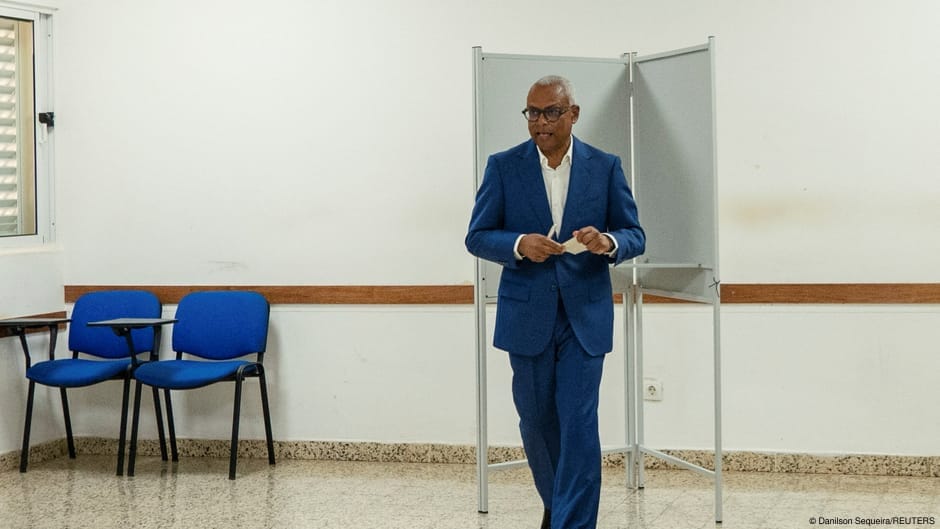
When President Jose Maria Neves secured 63.8% of the vote in Sunday's election, he did more than simply win a second term. The 66-year-old leader's decisive victory—with his nearest challenger, former justice minister Joana Rosa Amado, capturing only 31.6% of the vote—demonstrated something increasingly rare across Africa and the developing world: voters rewarding stability and competent administration. With approximately 420,000 eligible voters casting ballots under observation from the Economic Community of West African States, the African Union, and the European Union, Cape Verde's election reinforced why this West African archipelago stands apart.
Cape Verde's governance credentials speak for themselves. The Mo Ibrahim Foundation's 2026 index on global governance ranks the country third among Africa's 54 nations, trailing only Seychelles and Mauritius. This isn't accidental. It reflects decades of democratic commitment by a nation that has become a model of institutional integrity. When citizens believe their institutions function fairly and their leaders serve the public interest, they vote accordingly. Neves' re-election signals that Cape Verdeans trust their democratic system and believe their president has earned another term.
The economic foundation beneath this democratic success matters too. The World Bank classifies Cape Verde as an upper-middle-income country, a status achieved largely through the growth of its tourism industry across the ten volcanic islands located about 600 kilometers off Senegal's coast. Economic progress, however modest compared to wealthier nations, provides citizens with tangible reasons to support continuity. When a government delivers rising incomes and expanding opportunities, voters take notice.
Yet Cape Verde's re-election should not obscure genuine challenges ahead. The country faces persistent social inequality, geographic isolation as an island nation, and limited travel options between islands. Youth unemployment remains troubling, while increased energy prices and the rising cost of living pressure households. These are not abstract statistics—they affect real lives and can destabilize even well-governed nations if left unaddressed.
President Neves' decisive victory comes with a mandate, but also an obligation. His second term must demonstrate that Cape Verde's governance excellence can translate into tangible improvements for those struggling with unemployment and affordability. The international observers who monitored Sunday's election did so because Cape Verde's democratic stability matters—not just for its 420,000 voters, but as evidence that African democracy can flourish. Neves must ensure that his next five years validate the faith his compatriots have placed in him.