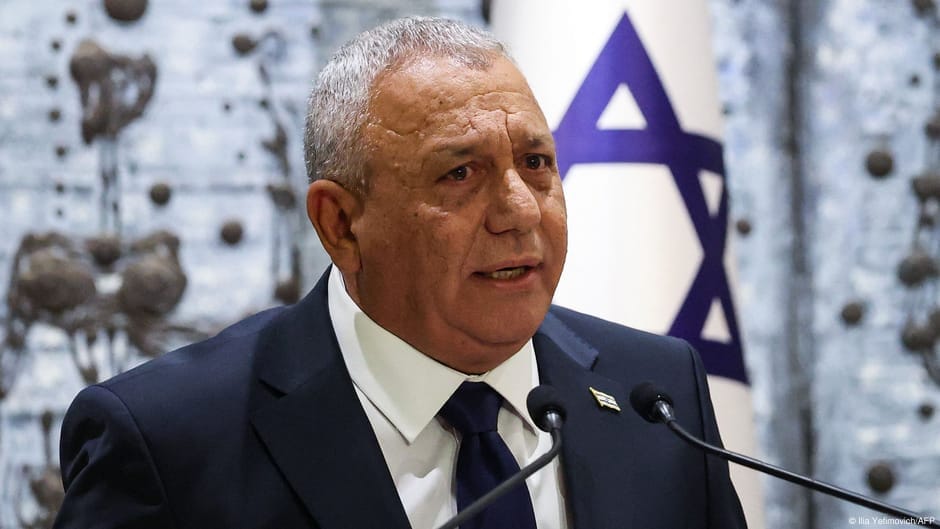
Gadi Eisenkot's willingness to name the arson attacks in the West Bank as 'Jewish terrorism in every sense of the word' represents a crucial moment of clarity. When an Israeli opposition leader engaged in post-election negotiations to potentially lead his country uses the word 'terrorism' to describe attacks by settlers—setting fire to around eight vehicles, writing racist slogans on house walls, and terrorizing Palestinians in the villages of Deir as-Sudan, Deir Abu Mashaal, Kafr Malik and Al-Tuwani—the international community cannot afford to look away or parse semantics.
The facts are stark. More than 500,000 Israelis live in West Bank settlements alongside around 3 million Palestinians. Since Hamas' October 7, 2023 attack on Israel, more than 1,100 Palestinians in the West Bank have been killed by Israeli soldiers or settlers, according to data from the Palestinian Health Ministry. The incidents being investigated—arson and vandalism that occurred on Sunday—fit a pattern of escalating violence. Local resident Ahmad Ghneimat reports that violence has increased after Israeli settler outposts expanded, with settlers stealing sheep and violently harassing olive harvesters. When Muntasir al-Malik woke at 2:30 at night to 'the sound of explosions' and found seven cars on fire, he and his neighbors did not simply experience property damage; they experienced terror.
Eisenkot's condemnation gains weight because he frames this violence not merely as morally repugnant but as strategically catastrophic for Israel itself. He argues that 'sabotage by extremist groups setting fire to vehicles and homes undermines regional stability, endangers lives, and severely damages the national security and foreign relations of the State of Israel.' This is the language of someone thinking beyond ideology to consequences. Israeli authorities have opened an investigation, and the Israel Defense Forces have stated they 'strongly condemn' the acts. These are necessary steps, but insufficient.
Eisenkot's call for 'severe sanctions' against those responsible must be followed by action. When United States ambassador to Israel Mike Huckabee used the term 'terrorists' in September to describe violent settlers—a rare departure from US terminology that typically reserves this designation for Palestinian militants—it signaled that the word need not be controversial when applied honestly. If Eisenkot and Israeli security forces have determined that extremist settlers engaged in arson and intimidation, then the legal system must treat these acts with the seriousness they demand.
The occupied West Bank is not a lawless frontier where settlers operate with impunity. It is a territory where Israeli law applies. The question now is whether Israeli authorities will match their words with consequences severe enough to deter future violence, or whether these investigations will join countless others gathering dust in bureaucratic files.