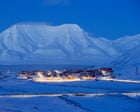
Residents of Longyearbyen, a remote Norwegian town in the Arctic archipelago of Svalbard, have been ordered not to drink tap water after heavy metal contamination linked to thawing permafrost rendered the supply unsafe.
The town's main drinking water comes from Isdammen, a dammed lake roughly 1.5 miles long. Scientists have determined that rising temperatures tied to climate change have thawed permafrost in the area, exposing bedrock that leaches metals into the pond. Longyearbyen lies in one of the world's fastest-warming regions.
Local authorities issued the water advisory following testing that detected dangerous heavy metal levels. The contamination poses a direct threat to the town's approximately 2,300 residents, who now depend on bottled or treated water for drinking and cooking.
The episode illustrates how climate-driven environmental changes in polar regions produce cascading infrastructure challenges. Permafrost thaw destabilizes buildings, roads and water systems designed under colder conditions. In Longyearbyen's case, the geological shift has compromised a water supply system that worked reliably for decades.
Scientists view the contamination event as a potential warning for other Arctic communities. Many settlements across Greenland, Canada, Russia and Scandinavia depend on water supplies similarly vulnerable to permafrost melt. As warming accelerates across the Arctic, other towns may face comparable contamination events unless water treatment systems are upgraded or new supplies are developed.
Svalbard's extreme warming rate compounds the risk. The archipelago has experienced temperature increases roughly four times the global average, a phenomenon known as Arctic amplification. This accelerates permafrost thaw and amplifies the geological processes now affecting Longyearbyen's water system.
The town faces both immediate water-supply challenges and longer-term infrastructure decisions. Authorities must decide whether to invest in advanced water treatment, relocate the intake point to less contaminated areas, or develop alternative sources while managing costs in a remote Arctic setting.