Al-Qaeda and Islamic State branches are increasingly adopting local power-building strategies and humanitarian messaging instead of pursuing attacks on the West or establishing a global caliphate, according to BBC World.
The shift is most visible in Africa, where al-Qaeda's branches in the Sahel (JNIM) and Somalia (al-Shabab) are running long-running insurgencies. Al-Shabab has publicised food aid distribution to local communities through social media and radio. JNIM, meanwhile, joined forces with Tuareg separatists in late April to launch a major offensive in Mali, calling them "brothers" despite occasional past conflict. JNIM's propaganda videos have also dropped references to al-Qaeda's global leadership and calls for worldwide jihad since late 2024.
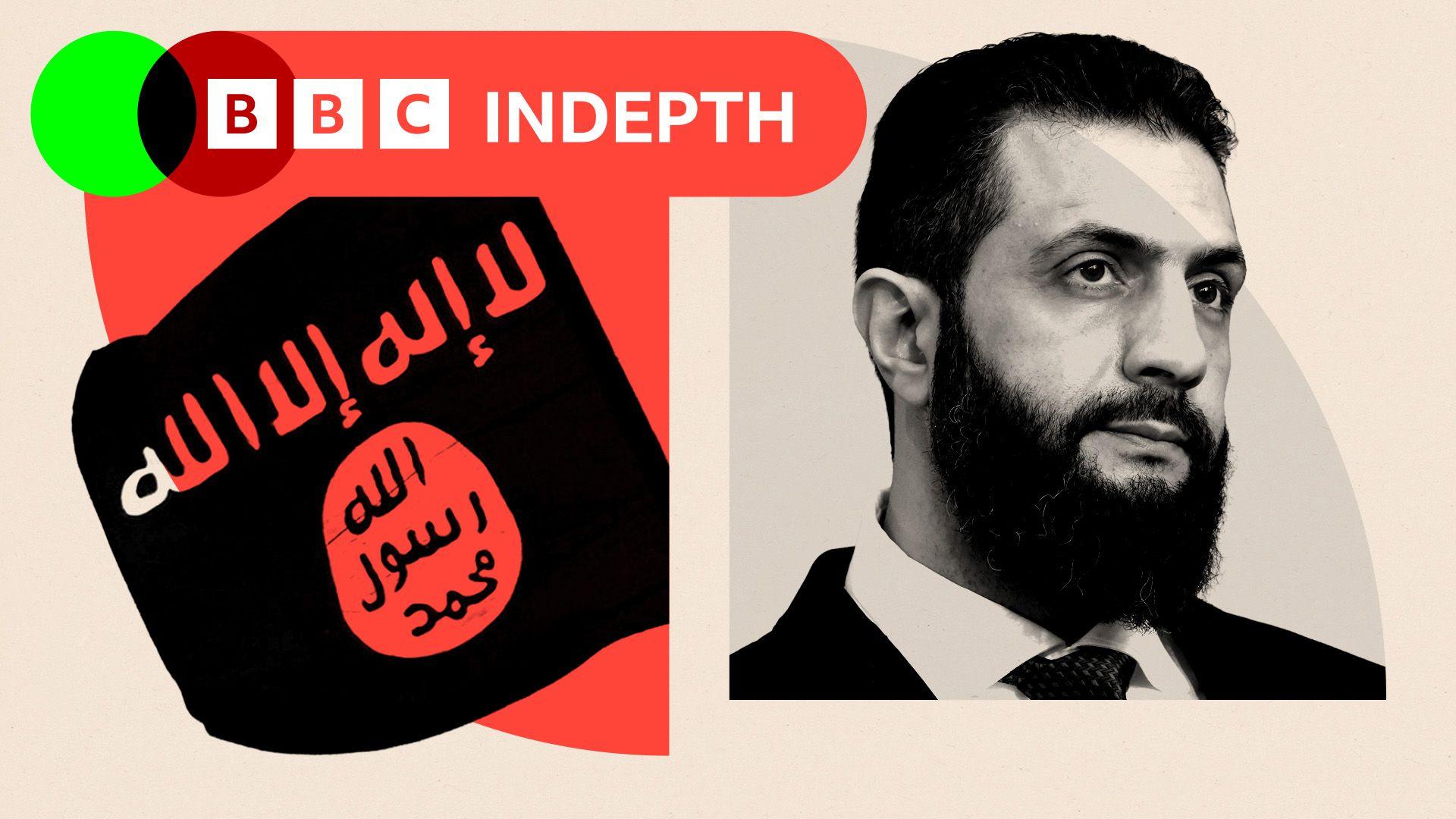
Syria's president Ahmed al-Sharaa, formerly a jihadist commander known as Abu Mohammed al-Jolani, provides a model for this pragmatism. He gradually broke ties with IS and al-Qaeda, focused on building a local power base in northwestern Syria, worked with non-Islamist groups, and engaged foreign powers including Russia. He took power in December 2024 and was welcomed by Western leaders, including US President Donald Trump, who visited him at the White House in November 2025.
The Taliban's return to power in Afghanistan in 2021 also demonstrates that an Islamist movement can take control of a country through patient, local engagement and diplomacy.
This shift has divided the jihadist movement. Hardliners reject compromise on core beliefs, including imposing strict Islamic law, accepting secular constitutions, working with non-Islamist groups, or engaging "infidel" governments. IS has declared jihad against Syria's new government, branding Sharaa and his officials "apostates." BBC World reports that "a bitter online debate since 2025" has seen rival voices trading accusations of betrayal and publishing competing books.
A quarter century after al-Qaeda's 9/11 attacks and 12 years after IS declared its caliphate in Iraq and Syria, neither group has achieved its ultimate goal of taking over countries and ruling them under strict Islamic law. Both suffered major defeats and lost leaders. IS lost its last territorial stronghold in 2019. Yet jihadism remains active, particularly in Africa.