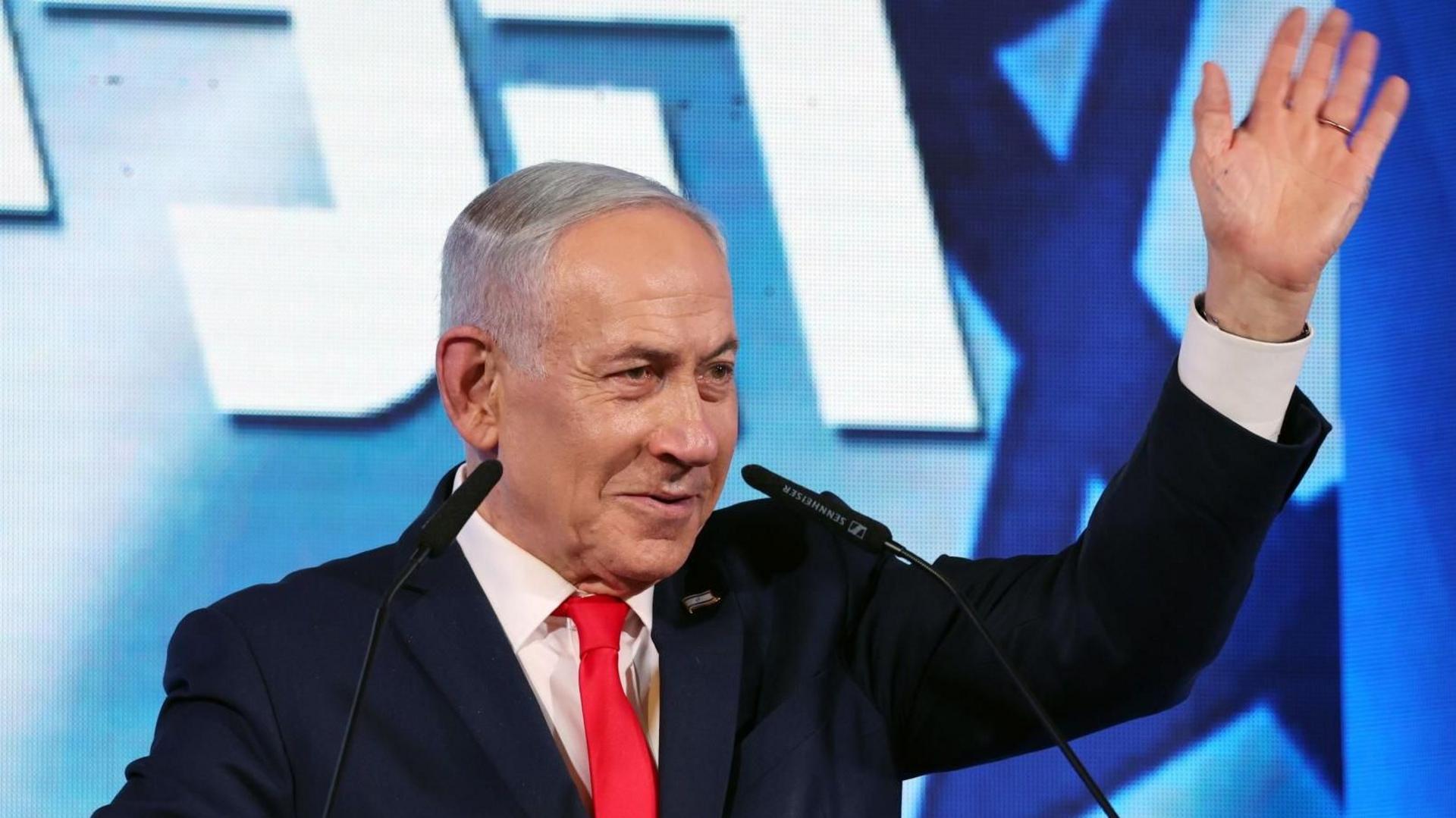
With 85 percent of ballots counted, Prime Minister Benjamin Netanyahu's Likud party and allied far-right and ultra-Orthodox Jewish factions were set to win 53 of 120 seats in the Knesset, short of a majority. Gadi Eisenkot's opposition Change Bloc and three other Jewish parties were projected for 48 seats.
Both Netanyahu and Eisenkot have said they will attempt to form a governing coalition. President Isaac Herzog will hold consultations with all political factions and invite the leader he believes has the best chance to form a government, a process that could take weeks. Between 430,000 and 480,000 absentee ballots from soldiers, diplomats and hospital patients remain uncounted, and final results may not emerge for a day or two.
Arab-led parties are on track to win an unprecedented 19 seats and could serve as kingmakers, but all Jewish parties except one have pledged not to work with them. Netanyahu has called for "a strong right-wing national government" and said it was "forbidden" to form a government relying on what he described as anti-Zionist Arab parties. Eisenkot told supporters that the public had "spoken in favour of change" and that he would work to form "a Zionist government."
Turnout reached 77.7 percent, the highest in more than two decades, according to President Herzog. The election followed the Hamas-led attacks on Israel on 7 October 2023 and subsequent wars in Gaza, Lebanon and Iran.
Likud alleged fraud on Wednesday, claiming opponents had used "bribery, threats, violence, fraud and prohibited software" to encourage voters, without providing evidence. The Central Elections Committee said it would examine the claims.
Arab Israeli turnout surged, with two Arab parties nearly doubling their representation. Yousef Jabareen, head of the Joint List, told the BBC that Arab voters were partly motivated by the chance to remove National Security Minister Itamar Ben-Gvir from office.