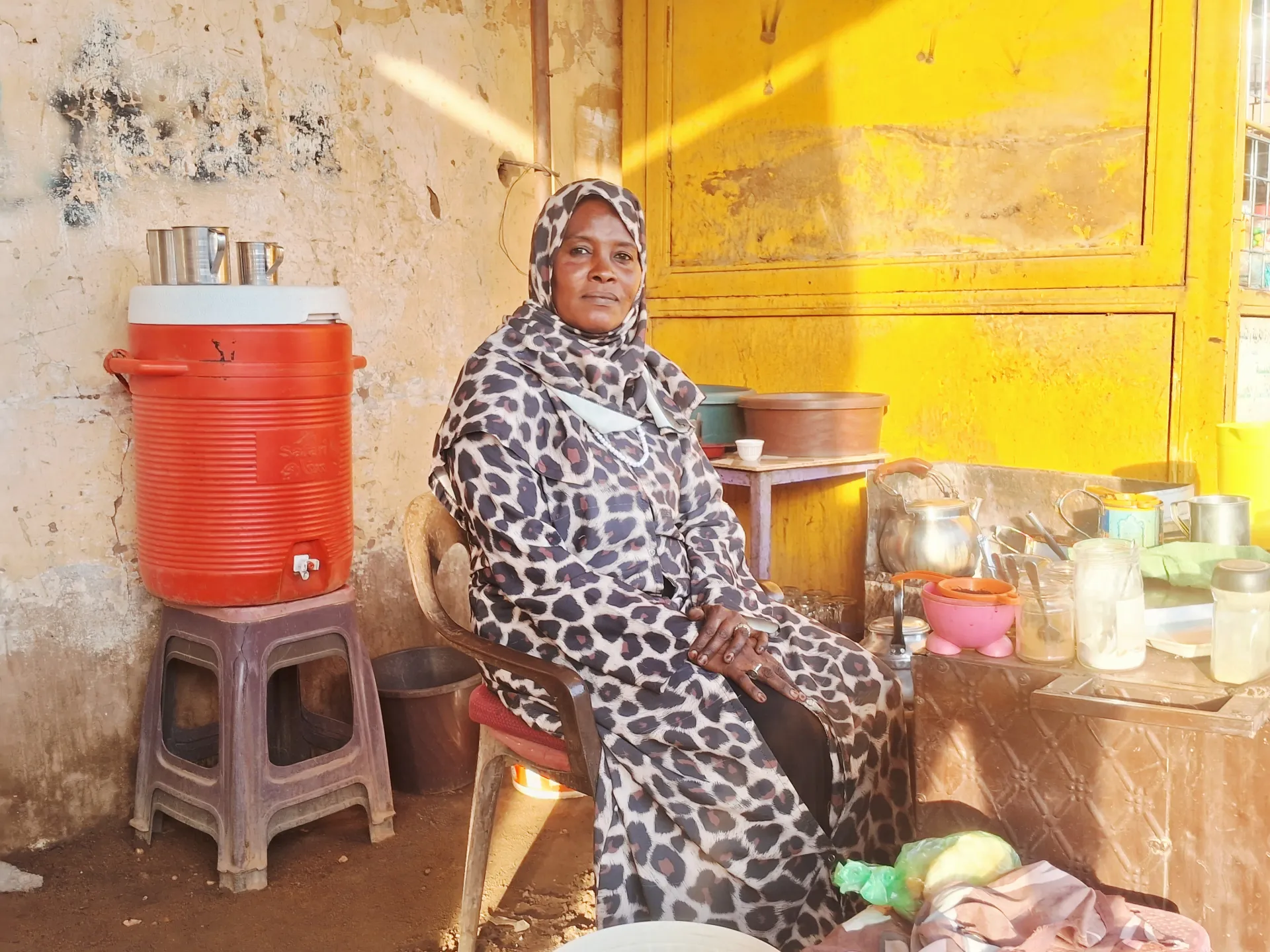
Families in Sudan's capital Khartoum are skipping meals and borrowing money as food prices surge and incomes collapse, according to reporting by Al Jazeera.
Rasha Abdelaziz Musa, 39, works seven hours daily selling tea but cannot reliably afford to feed her four children. Her husband, a member of the Sudanese military, has been on the front lines of the war between the military and the paramilitary Rapid Support Forces since 2023 and has sent no money for months. She spends about 40,000 Sudanese pounds ($4 at parallel-market rates) daily on food alone, often ending each day in debt to traders.
Ahmed Youssef, 61, supports a family of 12 through irregular work in a butcher's shop and livestock sales, earning 90,000 to 140,000 pounds ($9 to $14) per successful deal. His household spends over 100,000 pounds ($10) daily. "One income is no longer enough to cover the family's needs, and sometimes my older children have to work to help meet expenses," he told Al Jazeera.
Ali Fadil, 57, has no permanent job and searches for daily work at the market. He skips meals to pay for school fees and medical costs and borrows money to meet other obligations, despite daily expenses reaching about 70,000 pounds ($7).
An Al Jazeera survey of four local markets in Khartoum State found prices for essential foods had risen sharply within days. A kilogramme of sugar rose from 9,000 to 10,000 pounds within two days. Cooking oil climbed from 20,000 to 25,000 pounds per litre, bread from 300 to 500 pounds per loaf within a week. Lentils jumped from 8,000 to 10,000 pounds per kilogramme, rice from 10,000 to 13,000 pounds per kilogramme, and powdered milk from 60,000 to 70,000 pounds per kilogramme in two days.
Sudan's Central Bureau of Statistics reported prices countrywide were 28 percent higher in September than a year earlier. Food and beverages cost nearly 37 percent more across the country in September than a year earlier. In Khartoum State, prices were nearly 60 percent higher than a year earlier, with prices jumping more than 15 percent in September alone.
The Sudanese pound has weakened sharply. On Friday, $1 traded at 10,050 Sudanian pounds on the parallel market, down from 9,500 the previous day.
The World Bank estimates Sudan's economy shrank by 29 percent in 2023 and a further 14 percent in 2024. The war has disrupted supply chains, livelihoods and agricultural production. Urban areas have been hit harder than rural communities, with food prices in towns and cities 55 percent higher than a year earlier compared with 40 percent in August.
Nearly 8.9 million people remain internally displaced as of April, according to the International Organization for Migration.
Journalist Khalid Teks said Sudan's economic deterioration began before the current war, citing falling oil production after South Sudan's secession in 2011, pound depreciation, cash shortages, international isolation, political conflict and corruption in years preceding the 2019 removal of President Omar al-Bashir.