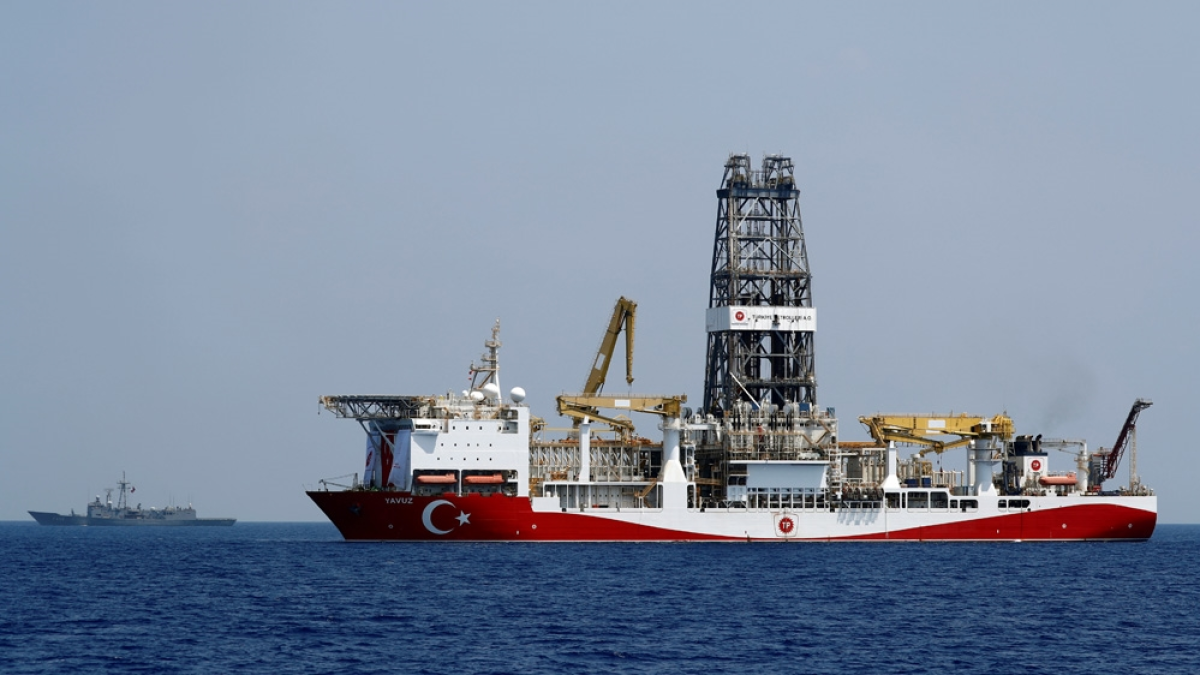
Libya's eastern parliament in Tobruk approved a maritime boundary agreement with Turkiye on October 14, reversing years of opposition to the 2019 accord between Ankara and Libya's Tripoli-based government. The vote marks a diplomatic shift in the Eastern Mediterranean, where the agreement has been contested by Greece, Cyprus and Egypt.
Turkiye argues the accord complies with international law and delineates maritime jurisdiction areas claimed by both countries. Greece, Cyprus and Egypt contend it infringes on their sovereign rights. A senior Turkish official told Al Jazeera that Turkiye supports "one Libya" and is not using the country for its own purposes.
The reversal came after a change in Libya's eastern parliamentary leadership on October 6, when lawmakers replaced speaker Aguila Saleh with Al-Salhin Abdelnabi al-Obeidi, who previously chaired the Libyan-Turkish parliamentary friendship committee. Diplomatic and military contacts between Ankara and eastern Libyan leaders intensified over recent months. Turkish Defence Minister Yasar Guler met Saddam Haftar, son of military commander Khalifa Haftar, and Abdulsalam al-Zoubi in May. Turkish intelligence chief Ibrahim Kalin met Saddam Haftar in Benghazi on June 23. Foreign Minister Hakan Fidan met both men in August.
On Wednesday, Turkiye's Defence Ministry renewed an offer to sign a maritime boundary agreement with Egypt, claiming Egypt could gain more than 15,000 square kilometers of maritime jurisdiction under Ankara's proposal versus a potential agreement with Greece. Egypt has rejected the Turkiye-Libya accord, but Ankara and Cairo have continued rebuilding relations. A joint Turkish-Egyptian naval exercise is scheduled for Alexandria from November 4 to 9.
Galip Dalay of Chatham House said closer Turkish relations with both Libyan camps constitute "a strategic gain" that makes it harder to establish Eastern Mediterranean arrangements excluding Turkiye. Anas El Gomati of the Sadeq Institute cautioned that an elite agreement between Libya's rival leaders would not necessarily produce an inclusive political settlement. Tarek Megerisi of the European Council on Foreign Relations suggested Saddam Haftar may hope Ankara's backing strengthens his own political prospects.